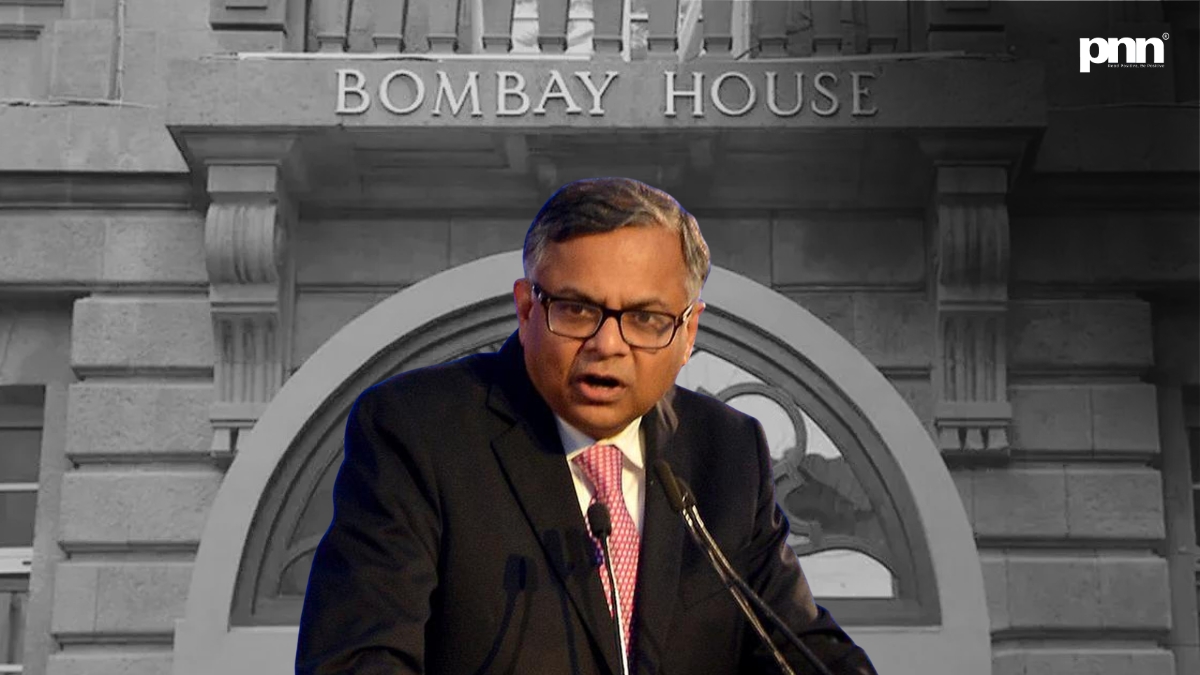
Mumbai (Maharashtra) [India], August 12: Natarajan Chandrasekaran has made it clear: he won’t seek another term as chairman of Tata Sons after his current stint wraps up on February 20, 2027. That means, after nearly ten years leading India’s biggest business group, he’s preparing to move on. He’ll stay in charge until then to keep things running smoothly, but he’s already asked the board to kick off the search for a successor.
It’s not just routine business. Chandrasekaran’s decision follows months of tension at the top. Earlier this year, the Tata Sons board postponed voting on his reappointment, reportedly because of disagreements with Noel Tata, chairman of Tata Trusts. The debate? Where the group is headed and how it should be governed. The two main trusts—Sir Dorabji Tata Trust and Sir Ratan Tata Trust—had both pushed for a five-year extension, but the board stayed silent, leaving his role up in the air.
In a note to the board, Chandrasekaran didn’t mince words. He said the group needs clarity about who’s leading, especially now, as it’s taking on several big projects. He’s made his position clear—he won’t return once his term ends—and has urged the board and shareholders to find his replacement soon so the handover goes off without a hitch.
Looking back, Chandrasekaran has left his mark. He stepped into the top job in early 2017, after Cyrus Mistry’s exit, and wasted no time shaking things up. The group branched out into airlines (with the Air India turnaround), new tech like semiconductors and batteries, and digital ventures. At the same time, he made sure mainstays like TCS, Tata Motors, and Tata Steel stayed strong.
Financially, it’s hard to argue with the results: revenues and profits shot up, and expansions like Air India’s acquisition paid off. Chandrasekaran also made big strides in modernizing the group’s governance and pushing Tata Sons towards tech and global competition.
The markets, though, didn’t take the news well. Stocks like TCS, Tata Motors, and Tata Consumer Products dropped as investors worried about a shakeup at the top. Now everyone’s watching closely to see who steps into these big shoes—this is shaping up to be one of the most talked-about succession stories since Mistry left.
This change will also ripple across the Tata empire—all thirty-plus companies—because the chairman sets the tone for strategy and decides where the money goes. For now, Chandrasekaran’s still steering the ship and will likely keep driving strategic plans until he officially steps down.
So what comes next for Tata Sons? With Chandrasekaran out of the running for a third term, the board and the Tata Trusts have to agree on who leads next—and it won’t be easy. The new chairman will need to balance Tata’s legacy industries with its bold bets on tomorrow’s tech. Along the way, expect a lot of debate over how the group is governed and who ultimately calls the shots for this $400 billion giant.
Chandrasekaran’s journey with Tata—starting back in 1987 at TCS and ending at the very top—will draw to a close in February 2027. For Bombay House, it’s truly the end of an era.